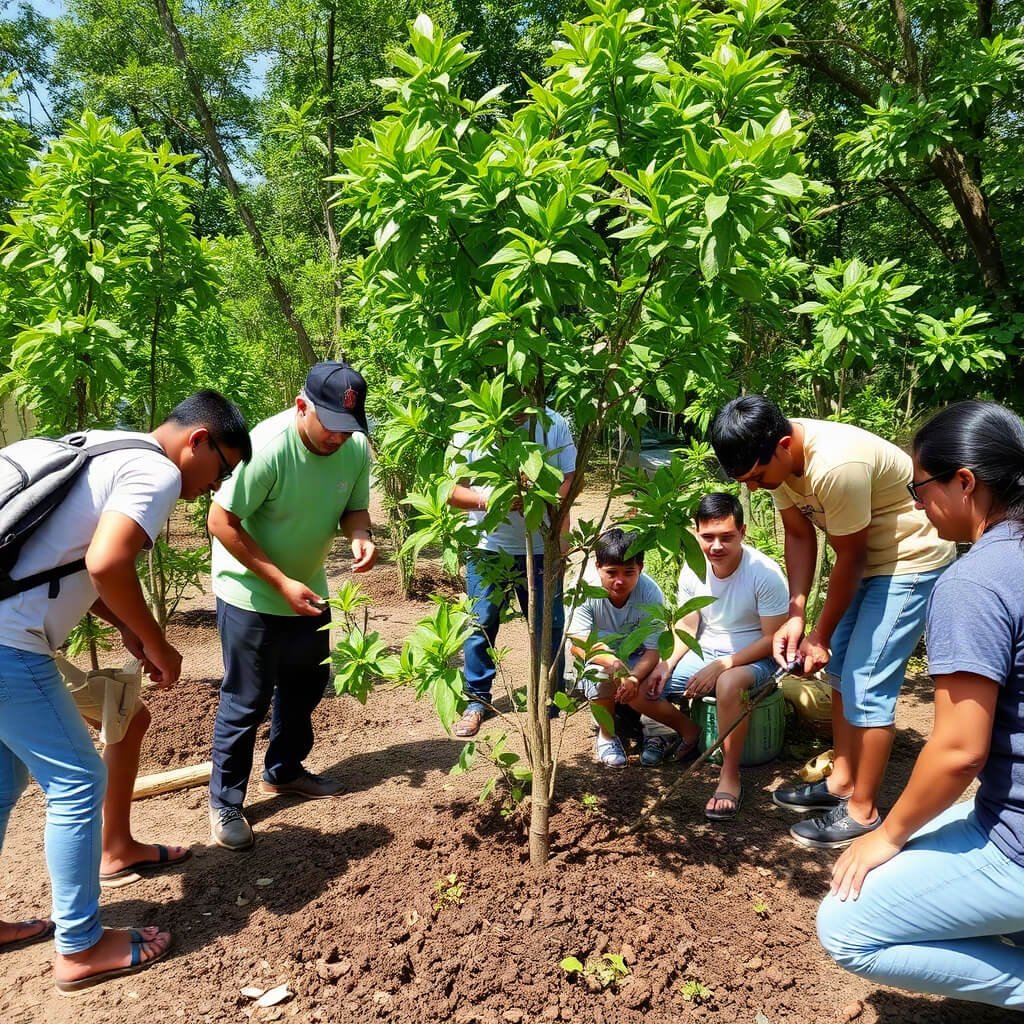


Access to adequate and nutritious food is essential for a healthy and dignified life. Yet many individuals and families experience food insecurity because of poverty, unemployment, rising living costs, displacement, emergencies, or other difficult circumstances. When people struggle to access enough food, the impact can extend beyond hunger and affect health, education, family stability, and overall well-being.
GHRO Canada recognizes the importance of addressing food insecurity as part of its broader humanitarian and community support efforts. Through food assistance initiatives, the organization seeks to support vulnerable and underserved communities while promoting dignity, compassion, inclusion, and community well-being.
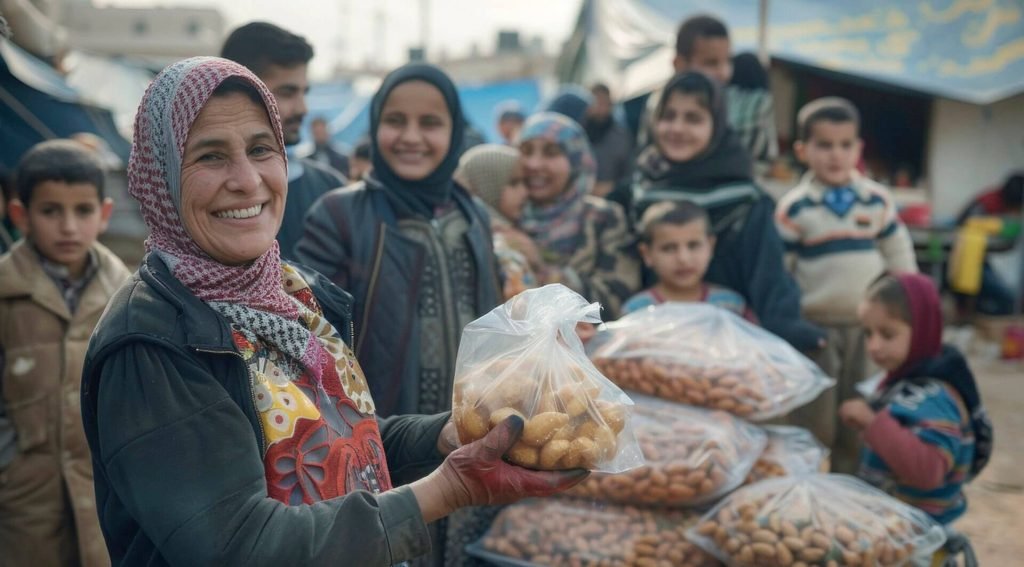
Understanding Food Insecurity
Food insecurity occurs when individuals or households do not have reliable access to sufficient and nutritious food. It can affect people from many different backgrounds and can be temporary or long-term.
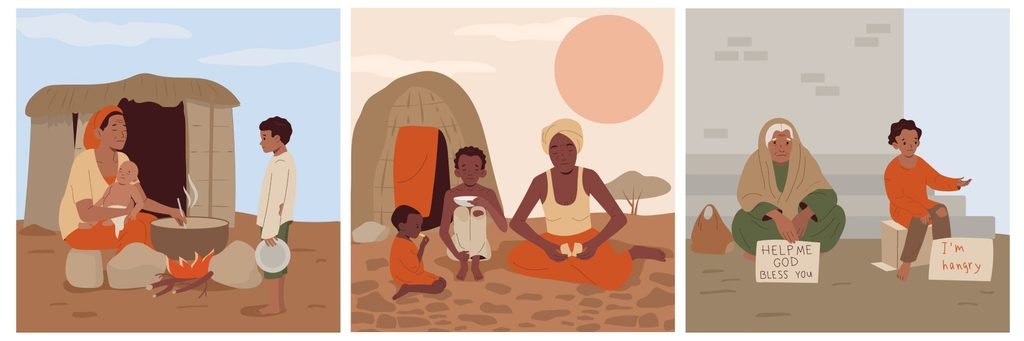
Families facing unemployment or financial difficulties may struggle to afford essential groceries. Individuals experiencing homelessness or unstable housing may have limited opportunities to prepare or store food. Children, older adults, persons with disabilities, and other vulnerable populations may also face additional barriers to accessing adequate nutrition.
Food insecurity can become particularly serious during emergencies. Natural disasters, displacement, extreme weather, and other crises can interrupt food supplies and make it difficult for communities to access essential resources.
Addressing these challenges requires compassion as well as practical community-based support.
GHRO Canada’s Food Assistance Focus
GHRO Canada focuses on humanitarian initiatives that respond to the needs of vulnerable and underserved communities. Food assistance is an important part of this commitment.
The organization’s approach emphasizes dignity and respect. People experiencing hardship should be able to receive support without discrimination or stigma. Food assistance should respond to genuine needs while recognizing the individual circumstances of the people and communities being supported.
Where appropriate and supported by available resources, food assistance efforts may involve volunteers, community organizations, donors, partners, and other stakeholders. Collaboration can help connect available resources with communities that need support.

Supporting Individuals and Families
Food assistance can provide meaningful support to individuals and families experiencing difficult circumstances.
For some households, temporary assistance with food can help reduce immediate financial pressure. It may allow families to focus on other essential needs such as housing, education, employment, transportation, and healthcare.
For individuals facing homelessness or social hardship, access to food can provide immediate relief and a sense of stability during challenging periods.
GHRO Canada seeks to support initiatives that recognize the wider circumstances surrounding food insecurity rather than treating hunger as an isolated issue. Understanding the underlying challenges can help communities develop more effective and compassionate responses.
Food Assistance During Emergencies
During a disaster or humanitarian crisis, access to food can be disrupted very quickly. Floods, storms, wildfires, extreme weather events, displacement, and other emergencies can affect transportation, local supplies, homes, and community services.
In these situations, humanitarian food assistance can help address immediate needs while recovery efforts begin.
Effective emergency support often depends on cooperation between community organizations, volunteers, donors, local stakeholders, and humanitarian groups. Coordination helps ensure that available resources are directed toward people and communities experiencing the greatest difficulties.
GHRO Canada’s broader humanitarian focus includes supporting communities affected by hardship, displacement, and crisis. Food assistance can therefore contribute to a wider response that supports recovery and resilience.
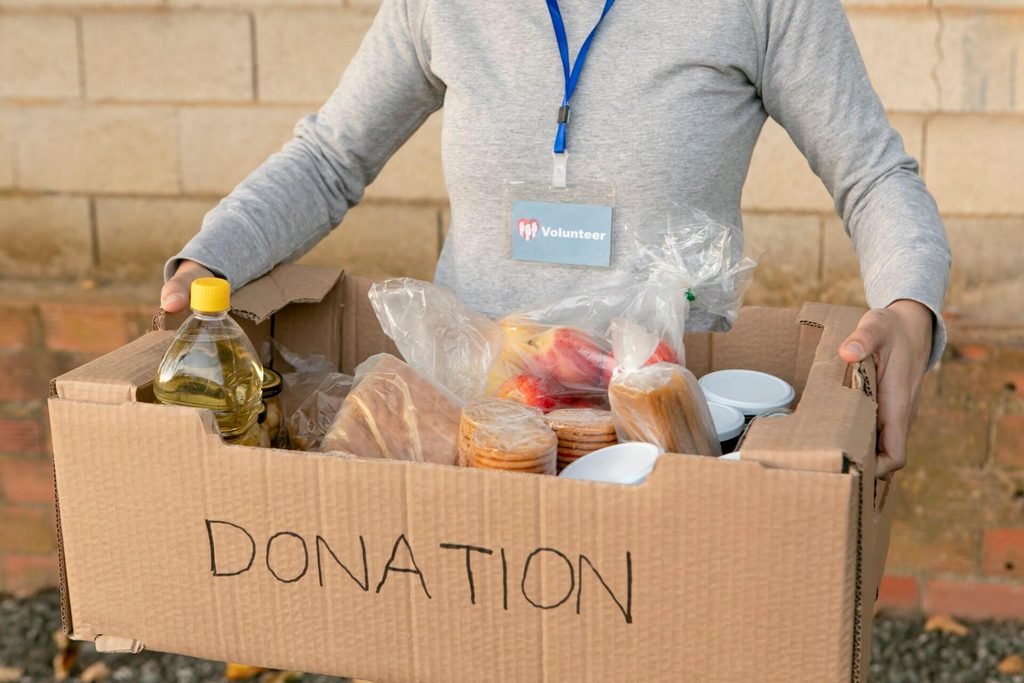
Promoting Dignity Through Food Support
Humanitarian assistance is not only about what is provided but also about how support is delivered.
People experiencing food insecurity should be treated with dignity, respect, and compassion. Assistance should avoid creating unnecessary stigma and should recognize that anyone can experience financial or social hardship at different points in life.
Community involvement can also make food assistance more responsive. Local residents and community organizations often have valuable knowledge about the challenges affecting their communities. Listening to those experiences can help humanitarian initiatives better understand local priorities.
GHRO Canada values community participation and collaboration as important elements of responsible humanitarian support.
Food, Health, and Well-Being
Adequate nutrition plays an important role in maintaining health and everyday well-being. People need sufficient food to maintain energy and participate in work, education, family life, and community activities.
Children and young people can be particularly affected when families experience food insecurity. Reliable access to nutritious food can support their ability to learn, grow, and participate in daily activities.
For adults and older people, access to food can also contribute to health, independence, and quality of life.
While food assistance cannot address every cause of poverty or inequality, it can provide valuable short-term support while individuals and communities work toward greater stability.
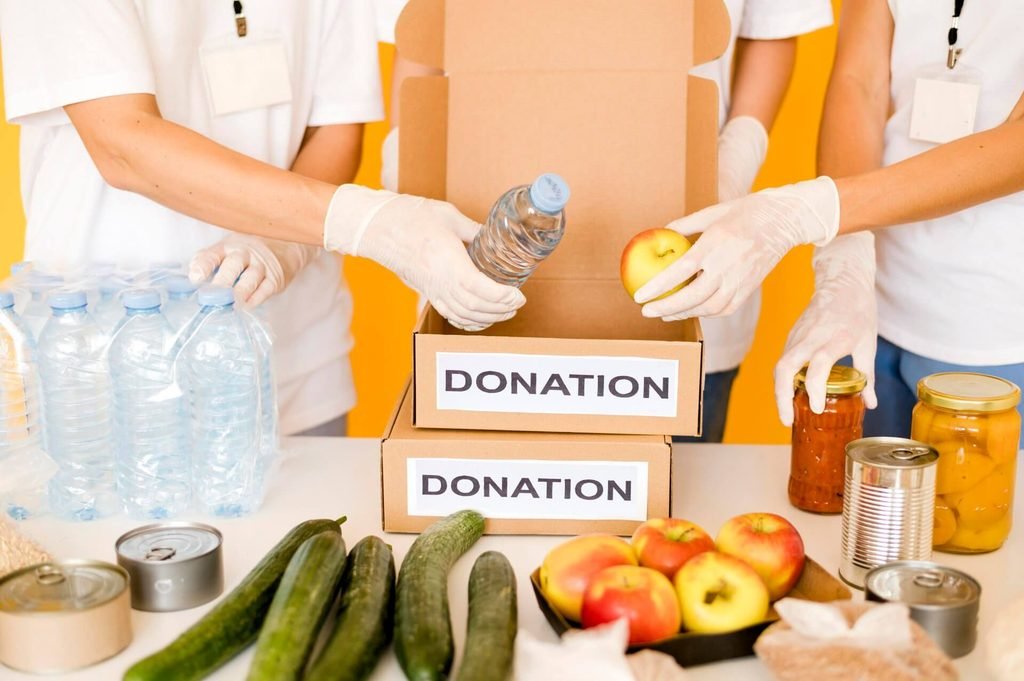
Building Stronger Communities
Long-term solutions to food insecurity require more than emergency food distribution. Education, employment opportunities, affordable housing, community development, social services, and humanitarian support can all contribute to stronger and more resilient communities.
GHRO Canada’s areas of work are interconnected. Supporting people with essential needs can create opportunities for them to focus on longer-term goals and participate more fully in their communities.
Community resilience also grows when people work together. Volunteers, local organizations, donors, and community members can contribute time, resources, knowledge, and practical support to humanitarian initiatives.
Working Together to Address Hunger
Addressing hunger is a shared responsibility. Governments, nonprofit organizations, community groups, volunteers, donors, businesses, and individuals can all contribute in different ways.
Partnership and collaboration can help identify community needs and connect available resources with people requiring support. Responsible humanitarian work should be based on genuine needs, transparency, respect, and appropriate coordination.
Through community engagement, GHRO Canada seeks to contribute to initiatives that support people experiencing food insecurity and other forms of hardship.
Our Commitment
GHRO Canada is committed to promoting human dignity, equality, inclusion, and respect for human rights. Supporting people facing food insecurity forms part of this broader humanitarian commitment.
Through food assistance initiatives and community-focused efforts, the organization seeks to help vulnerable individuals and families access essential support during difficult circumstances.
GHRO Canada also recognizes that hunger can be connected to wider social and economic challenges. For this reason, addressing food insecurity should be considered alongside other areas such as education, housing, community development, disaster response, and support for vulnerable populations.
Looking Toward a Better Future
A stronger response to hunger requires both immediate assistance and long-term community development. Providing food during times of hardship can help meet an urgent need, while education, employment, social support, and community initiatives can contribute to lasting resilience.
GHRO Canada aims to support humanitarian efforts that respond to real community needs while promoting dignity and inclusion.
By working together, communities can help ensure that vulnerable individuals and families receive meaningful support when they need it most. Food assistance is not simply about providing a meal. It is about recognizing human dignity, supporting well-being, strengthening communities, and helping create a more compassionate and resilient future.
Conclusion
Food is a fundamental human need, and access to adequate nutrition is closely connected to dignity, health, and community well-being. For individuals and families experiencing hardship, timely food assistance can provide essential relief and help reduce some of the pressures associated with difficult circumstances.
GHRO Canada seeks to contribute to humanitarian initiatives that support vulnerable and underserved communities. Through compassion, collaboration, and responsible community engagement, food assistance can become part of a broader effort to build stronger communities and support people facing challenging times.