
Climate change and environmental challenges are affecting communities around the world. Extreme weather, flooding, drought, storms, rising temperatures, environmental degradation, and other climate-related pressures can have serious effects on people’s homes, livelihoods, health, food security, and access to essential resources.
The impact is often greatest for communities that already face poverty, limited resources, displacement, or other vulnerabilities. When environmental challenges affect these communities, existing inequalities can become even more difficult to overcome.
At GHRO Canada, Climate & Environment is an important part of our humanitarian and community-focused work. We aim to support communities affected by climate change and environmental challenges while promoting awareness, resilience, responsible environmental practices, and a more sustainable future.
Understanding Climate and Environmental Challenges
Climate change is not only an environmental issue. It can also influence human well-being, economic security, housing, food systems, access to water, and community stability.
Communities may face different climate-related risks depending on their location and circumstances. Some areas may experience flooding or severe storms, while others may face drought, extreme heat, or environmental degradation.
Vulnerable populations can be particularly affected because they may have fewer resources to prepare for, respond to, and recover from environmental challenges.
For this reason, addressing climate change requires both environmental action and a strong focus on people and communities.
GHRO Canada’s Climate & Environment Focus
GHRO Canada includes assistance to communities affected by climate change and environmental challenges among its key areas of humanitarian work.
Our focus includes:
- Supporting communities affected by climate-related challenges
- Promoting environmental awareness
- Encouraging community resilience
- Supporting vulnerable populations during environmental crises
- Raising awareness about responsible environmental practices
- Encouraging sustainable community development
- Promoting preparedness for environmental risks
- Supporting efforts that protect community well-being
Through these efforts, GHRO Canada seeks to contribute to communities that are better informed, better prepared, and more resilient in the face of environmental challenges.
Supporting Communities Affected by Climate Change
Climate-related events can disrupt everyday life in many ways. Families may experience damage to homes, loss of income, disruption of education, displacement, or difficulty accessing essential resources.
For vulnerable communities, recovery can be particularly challenging.
Humanitarian support can play an important role in helping communities respond to immediate needs and begin the recovery process.
GHRO Canada recognizes the importance of supporting people and communities facing climate-related challenges and aims to promote approaches that place human dignity, safety, and community needs at the center.
Building Community Resilience
Resilience means having the ability to prepare for challenges, respond to disruption, recover from difficult situations, and adapt to changing circumstances.
Strong communities are better positioned to face environmental challenges when people have access to knowledge, community networks, appropriate resources, and effective preparedness.
Community resilience can involve:
- Disaster preparedness and awareness
- Community education
- Risk reduction
- Protection of vulnerable individuals
- Strong local support networks
- Sustainable use of resources
- Recovery and rehabilitation planning
GHRO Canada supports the importance of strengthening community resilience as part of a broader humanitarian approach to climate and environmental challenges.
Environmental Awareness and Education
Awareness is an important part of environmental protection.
People and communities can make more informed decisions when they understand how environmental changes affect their surroundings and why sustainable practices matter.
Environmental education can encourage responsible approaches to waste management, water conservation, energy use, biodiversity, and protection of natural resources.
Education can also help younger generations understand their relationship with the environment and the importance of protecting natural resources for the future.
GHRO Canada promotes greater awareness of environmental challenges and the importance of community participation in creating a healthier and more sustainable environment.
Climate Change and Vulnerable Communities
Climate change can deepen existing inequalities. People who have limited access to housing, healthcare, education, food, clean water, or financial resources may have fewer options when environmental emergencies occur.
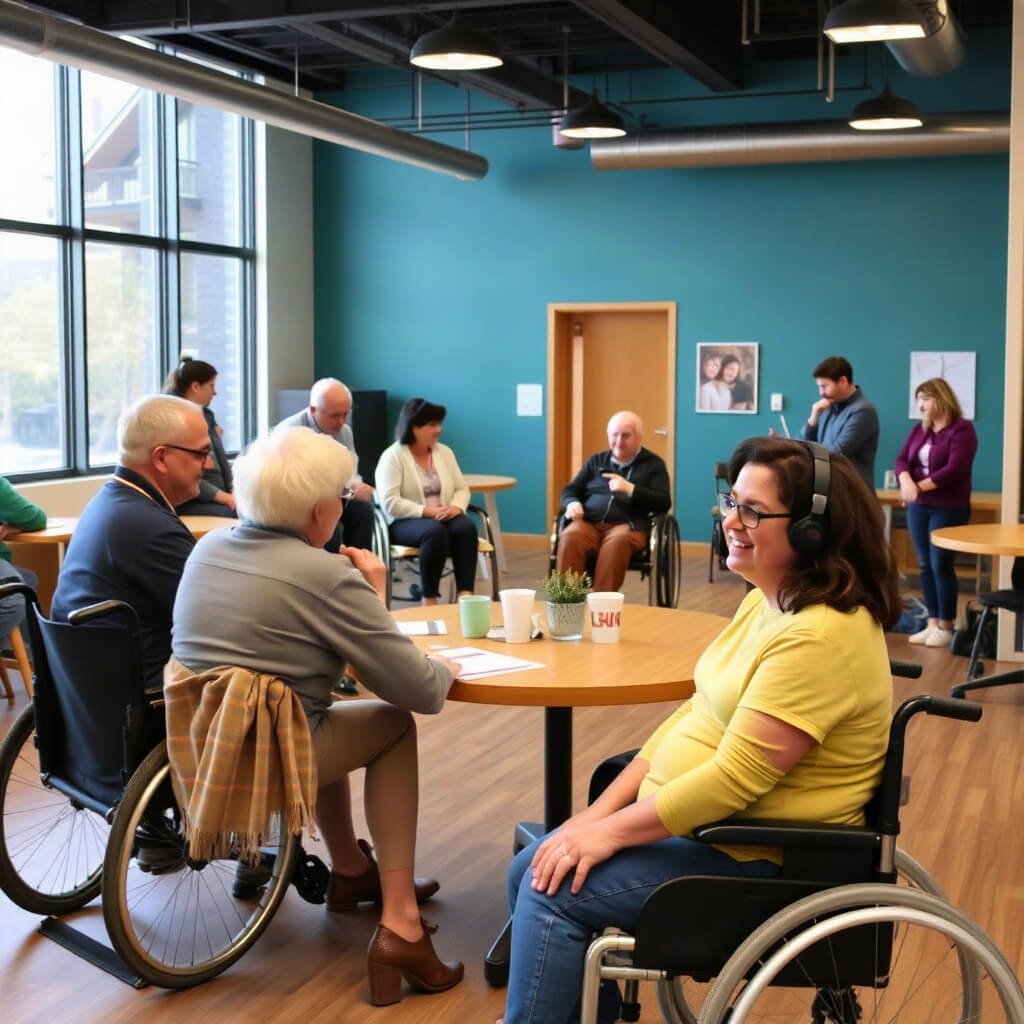
Children, older adults, persons with disabilities, low-income families, and displaced communities may require additional consideration during climate-related emergencies.
A responsible humanitarian approach should therefore recognize different levels of vulnerability and ensure that people who face greater risks are not overlooked.
GHRO Canada seeks to support an inclusive approach where vulnerable communities receive attention and consideration during environmental challenges and recovery efforts.
Protecting the Environment for Future Generations
Environmental protection is a responsibility shared across generations.
Natural resources provide communities with food, water, livelihoods, and other essential benefits. Protecting these resources can help support healthier communities today while preserving opportunities for future generations.
Sustainable development encourages a balance between social well-being, economic opportunity, and environmental responsibility.
GHRO Canada believes that community development should consider environmental sustainability and the long-term well-being of people and the planet.
Climate, Disaster Response, and Recovery
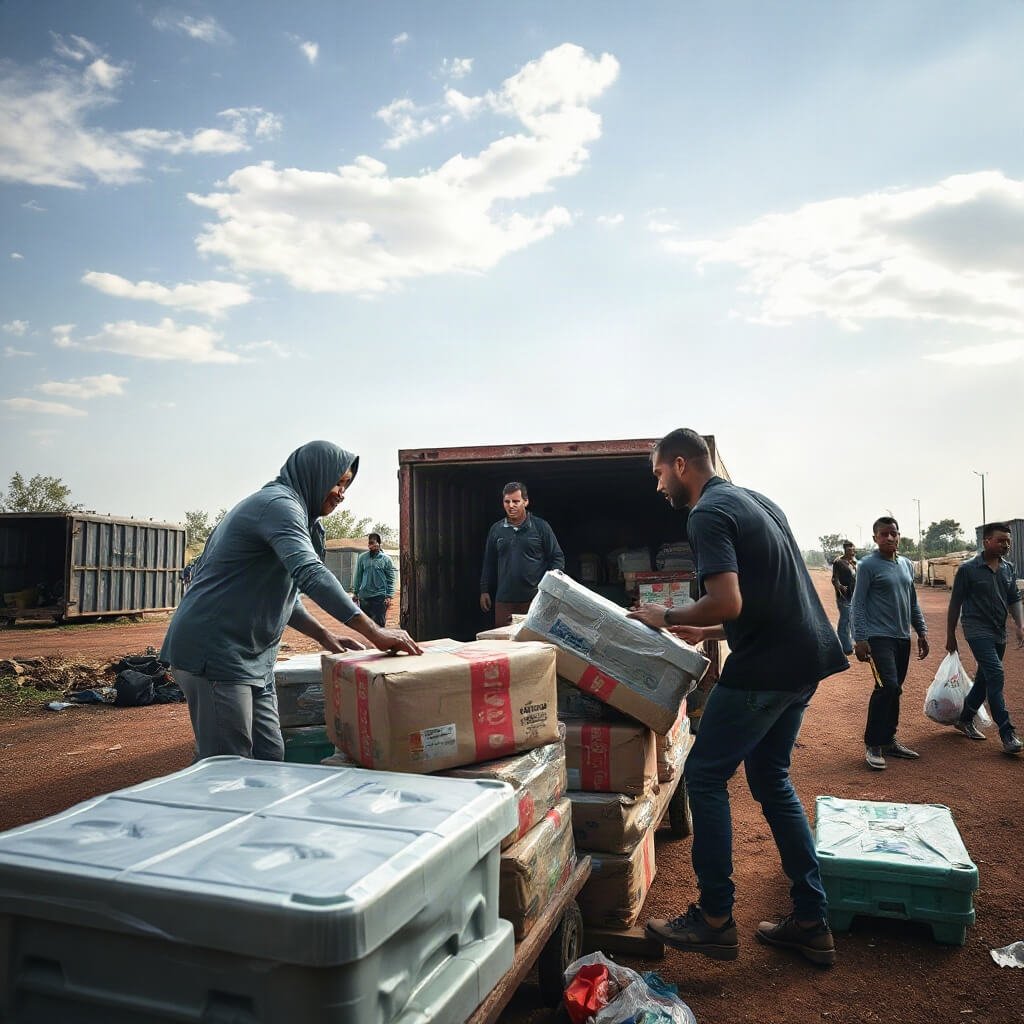
Climate-related events can sometimes develop into humanitarian emergencies. Floods, storms, extreme weather, and other environmental events may require immediate assistance followed by longer-term rehabilitation.
Effective response should consider both immediate humanitarian needs and the longer-term process of recovery.
GHRO Canada’s broader Disaster Relief focus connects closely with its Climate & Environment efforts. Supporting affected communities during emergencies and helping them rebuild can contribute to greater resilience against future challenges.
Encouraging Sustainable Communities
Creating sustainable communities requires participation from individuals, families, organizations, institutions, and local communities.
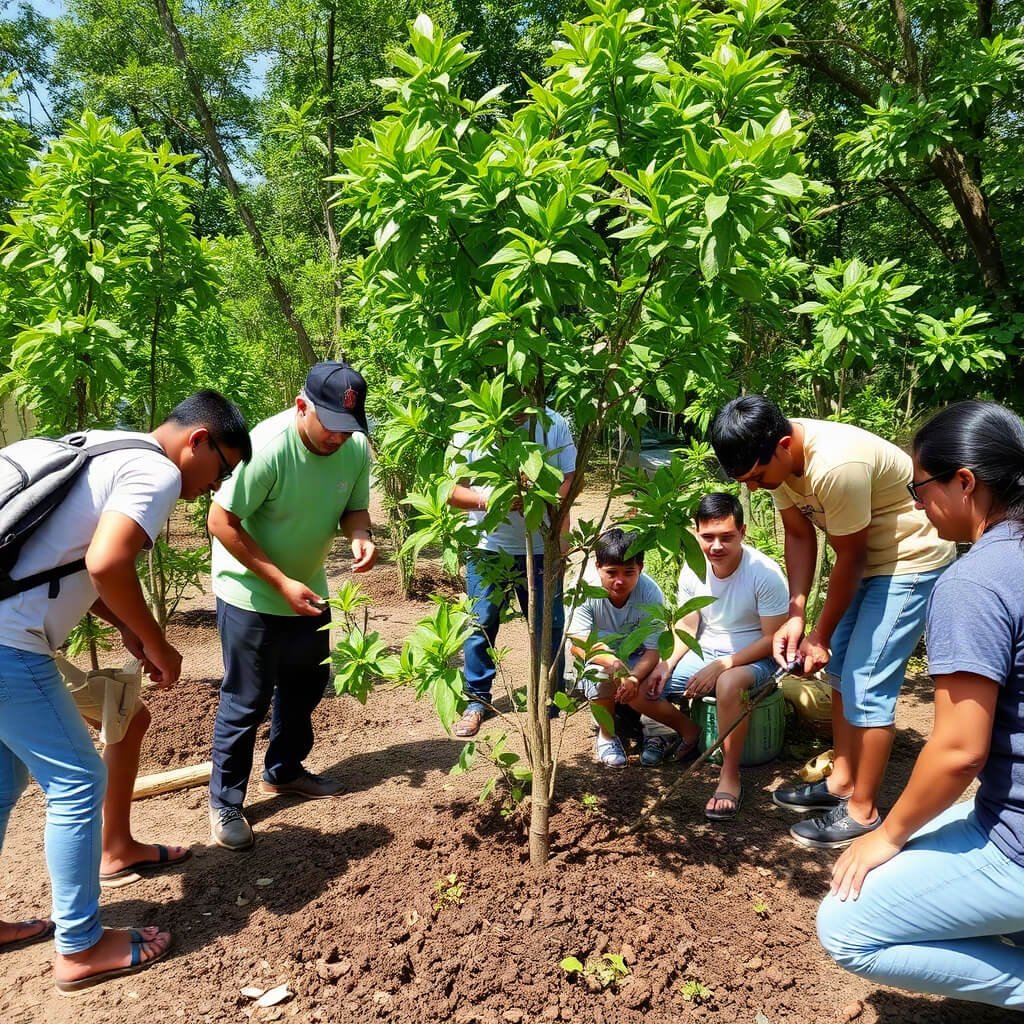
Small changes in awareness and behavior can contribute to broader environmental responsibility. Communities can encourage sustainable practices while also considering the social and economic realities faced by local populations.
Sustainability should be practical, inclusive, and connected to the needs of the people it aims to support.
GHRO Canada seeks to encourage community-focused approaches that combine environmental awareness with humanitarian values and social responsibility.
Working Together for the Environment
Environmental challenges cannot be addressed by one community or organization alone.
Cooperation, knowledge sharing, community participation, and responsible action are important for building effective and sustainable solutions.
Governments, humanitarian organizations, environmental groups, communities, educators, businesses, and individuals can all contribute in different ways.
GHRO Canada believes that collaboration and community engagement can help strengthen awareness and encourage meaningful action toward environmental sustainability and resilience.
Our Commitment
GHRO Canada is committed to supporting communities affected by climate change and environmental challenges.
We believe that protecting people and protecting the environment are closely connected. Communities need safe environments, sustainable resources, and the ability to prepare for and recover from environmental challenges.
Through awareness, community engagement, humanitarian support, and resilience-focused initiatives, GHRO Canada aims to contribute to a more sustainable and inclusive future.
Building a Sustainable Future Together
Climate and environmental challenges may be complex, but meaningful progress begins with awareness, responsibility, and collective action.
By supporting vulnerable communities, promoting environmental education, strengthening resilience, and encouraging sustainable practices, we can help create communities that are better prepared for the challenges of tomorrow.
Together, we can protect our environment, strengthen community resilience, and help build a healthier, safer, and more sustainable future for generations to come.